

Air India has extended the suspension of its Delhi-Tel Aviv flights to September 30, citing persistent security risks and airspace challenges across West Asia.
The route had earlier been suspended through the end of July, with many passengers expecting a resumption around today’s date, but the airline has now pushed the timeline back by a further two months.
The suspension has been extended multiple times since it was first announced, having previously been deferred to the end of May and then to the end of July before this latest extension.
More than 40,000 Indian nationals in Israel are affected by the continued suspension, according to figures cited in reports on the disruption.
With no direct flights operating, passengers travelling between India and Israel must currently route through third-country hubs such as Dubai or Abu Dhabi, adding an estimated four to eight hours to journey times.
Air India has said it will re-evaluate the airspace security situation closer to the new target date before resuming ticket sales for the route.
The airline has offered full refunds to passengers holding bookings affected by the suspension.
The extended suspension reflects continued coordination between international aviation bodies and India’s Ministry of External Affairs regarding the security situation in the region.
Israel’s national carrier, El Al, has been operating full schedules since Ben Gurion Airport in Tel Aviv fully reopened in April following a ceasefire, though Air India has continued to keep its own Delhi-Tel Aviv route on hold.
Air India had originally suspended its Delhi-Tel Aviv route in response to escalating regional tensions, and has pushed back the resumption date multiple times since as the security situation in West Asia has failed to stabilise.
Passengers travelling between India and Israel currently have to route through third-country hubs such as Dubai or Abu Dhabi, adding several hours to journey times compared with the previous direct service.
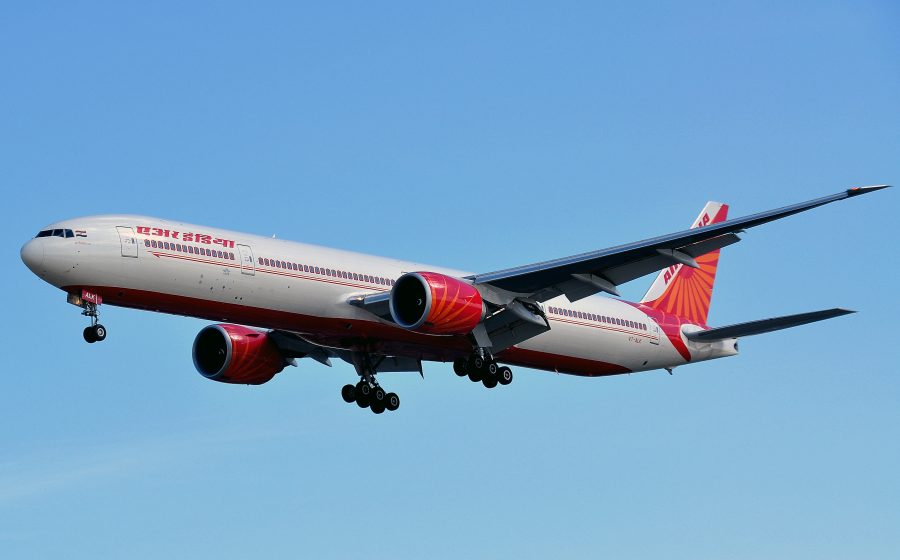
(Image: Photo by Eluveitie (Beata May), Wikimedia Commons, CC BY-SA 3.0)