

The Civil Aviation Ministry met airlines and Adani Airports on October 6 over the Mumbai airport slot cuts.
Adani has proposed cutting 265 of 770 weekly international slots at Terminal 2 from October 25.
The cuts would affect 46 airlines.
Airlines and IATA have opposed the proposal.
The outcome of the meeting was not reported.
The Civil Aviation Ministry convened a meeting with airlines and Adani Airports on Tuesday, October 6, 2026, over the proposed shifting of international flights at Mumbai airport.
Civil Aviation Secretary Samir Kumar Sinha was to chair the 2 pm meeting, according to Daily Excelsior.
IndiGo, Air India, SpiceJet and Adani Airports were among those expected to attend.
Adani Airport Holdings has proposed temporarily discontinuing 265 of 770 weekly international departure slots at Terminal 2 from October 25.
The cuts would affect 46 airlines.
The freed-up capacity at Terminal 2 would be used to accommodate domestic traffic shifted from Terminal 1, which is being redeveloped.
Airlines are to either cut flights or relocate them to Navi Mumbai airport.
About 5 million of Mumbai’s 55 million annual passengers, around 9%, would be temporarily affected by the Terminal 1 work, according to Daily Excelsior.
The International Air Transport Association, or IATA, has opposed what it calls forceful relocation.
IATA has said the move should be based on market forces and airlines’ choice and not on mandated relocations.
TradingView, citing Moody’s, reported that airlines rejected the proposal on Friday and repeated their opposition on Sunday.
LatestLY reported that airlines were reluctant to move operations to Navi Mumbai.
As incentives, Adani has offered a one-year waiver on landing charges at Navi Mumbai and cash vouchers to international passengers to offset fee differences, according to Daily Excelsior.
Adani has cited the age of Terminal 1 and an April fire incident, saying the risks of continuing operations have become more pronounced.
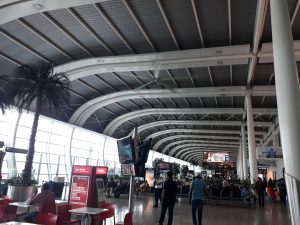
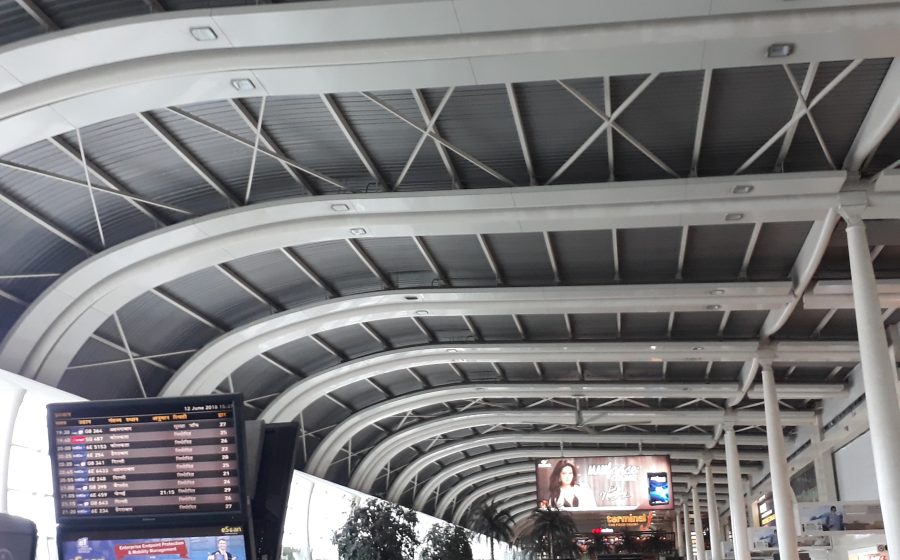
Chhatrapati Shivaji Maharaj International Airport, Mumbai (file image), Wikimedia Commons, CC BY 4.0