
Sensex falls 429 points, Nifty ends at 22,603 after RBI rate hike
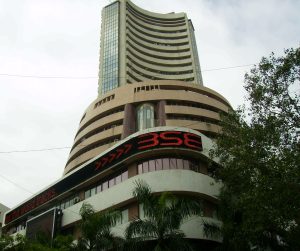
The Sensex fell 429 points to 72,638.70 and the Nifty lost 173 points to 22,603.05 on October 7, snapping a two-day winning run after the RBI raised the repo rate by 25 basis points.

The Sensex fell 429 points to 72,638.70 and the Nifty lost 173 points to 22,603.05 on October 7, snapping a two-day winning run after the RBI raised the repo rate by 25 basis points.

The RBI’s Monetary Policy Committee raised the repo rate by 25 basis points to 5.50% on October 7, its first hike since February 2023, and shifted its stance to calibrated tightening while raising its FY27 GDP forecast to 7.1%.
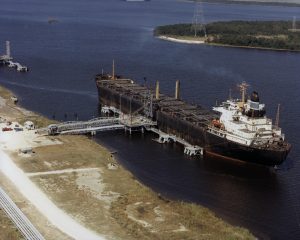
Brent crude slipped below $100 a barrel on October 6 as West Asia exports recovered and the G7 planned an emergency stock release of 100 million barrels, though tanker and Houthi-related risks remain.

SRIT India shares listed at Rs 148 on the NSE on October 6, a 13.85% premium to the Rs 130 issue price, after its Rs 218.40 crore IPO was subscribed 125.16 times.
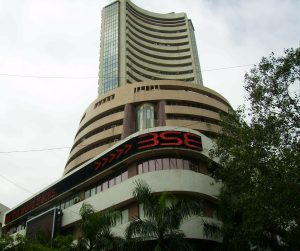
The Sensex jumped 685 points to close at 73,067.81 and the Nifty gained 220 points to 22,776.10 on October 6, extending gains for a second day ahead of the RBI’s rate decision on Wednesday.
Odisha has constituted a Chief Minister’s Economic Advisory Council, modelled on the EAC-PM, to guide the state toward a $500 billion economy by 2036 and a $1.5 trillion economy by 2047 under its Viksit Odisha framework.
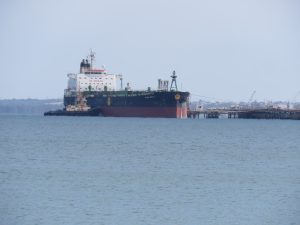
India’s total crude oil imports averaged about 5.3 million barrels a day in September, up from August, with Russia remaining the top supplier even as Russian crude imports fell to a five-month low of about 1.75 million barrels a day.

Tata Motors launched the Aeris sedan on September 26, priced from Rs 5.29 lakh, replacing the Tigor with reworked styling, a 10.25-inch touchscreen and ventilated front seats; deliveries begin October 11.
The OECD raised its FY27 growth forecast for India to 7.1%, up 80 basis points from its June estimate of 6.3%, citing resilient domestic demand and government policies that shielded households and firms from higher energy prices.

India notified its first four ‘mega ports’ under the Indian Ports Act 2025: Mundra, Deendayal (Kandla), Jawaharlal Nehru Port and Paradip, based on cargo-handling thresholds, with the classification effective from September 25.