

The 57th GST Council meeting on October 8 decided to omit the power of arrest under Section 69.
The prosecution threshold would rise from Rs 1 crore to Rs 5 crore.
The general penalty would fall from Rs 25,000 to Rs 10,000.
No broad rate changes were made.
Most changes need amendments before taking effect.
The 57th GST Council meeting was held in New Delhi on Thursday, October 8, 2026, after being postponed from September 12 and then October 7.
The Council decided to omit Section 69, the power of arrest, from the GST law, according to TaxO.
The monetary threshold for prosecution under Section 132 would rise from Rs 1 crore to Rs 5 crore.
The minimum punishment would be removed, leaving sentencing to judicial discretion, according to one report.
The general penalty under Section 125 would fall from Rs 25,000 to Rs 10,000.
In non-fraud cases, a 5% penalty would apply if tax and interest are paid within 30 days of the order under Section 73 or 60 days under Section 74A.
A minimum Rs 10,000 threshold would apply for show-cause notices under Sections 73, 74 and 74A.
Pending cases below that amount would be decided as if the threshold applied from the start.
Pre-deposit for appeals against penalty alone would be capped at Rs 40 crore.
Vehicles can be stopped for inspection only on specific intelligence, authorised by an officer of Joint Commissioner rank or above, according to Whalesbook.
Inspection and seizure would be limited to the supplier’s or recipient’s state, with no interception in transit states, according to TaxO.
Restrictions on input tax credit under Section 17(5) would be removed for outdoor catering, health and life insurance, telecom towers, pipelines laid outside factories, free samples, and goods destroyed or written off on expiry.
Most registration amendments would be auto-accepted, except changes to the principal place of business for taxpayers who are not low risk.
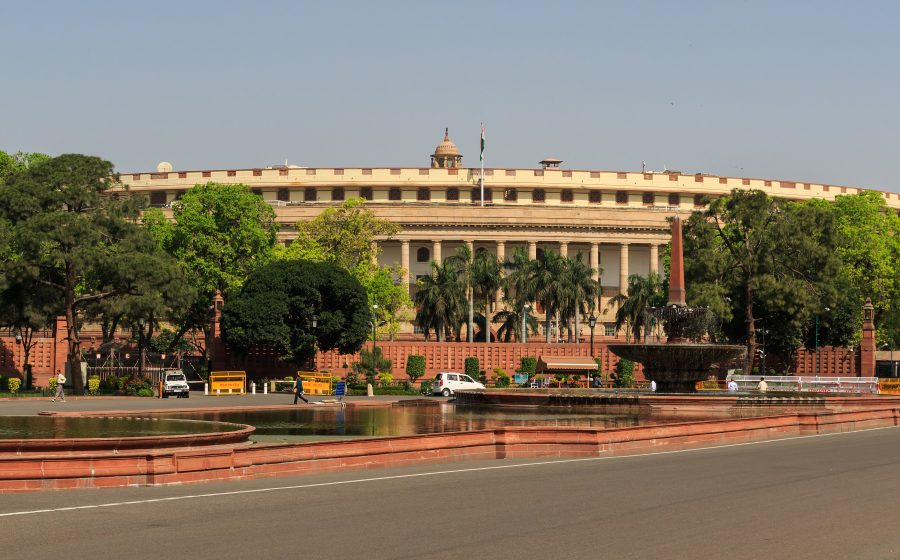
Government buildings, New Delhi (file image), Wikimedia Commons, Free Art License