

At a special sitting on October 11, the Supreme Court directed that normal Delhi Metro and railway services be restored.
It directed that internet services be restored and that barricades across Delhi be reviewed.
It sought responses on alleged excessive force and illegal detentions.
The bench was of Justices Joymalya Bagchi and V Mohana.
The matters will be heard again on October 13.
A bench of Justices Joymalya Bagchi and V Mohana held a special sitting of the Supreme Court on Sunday, October 11, 2026.
It heard petitions on mass preventive detentions during Saturday’s protests and on the Metro shutdown, including a habeas corpus plea argued by senior advocate Menaka Guruswamy, according to ETV Bharat.
The court directed that normal Delhi Metro and railway services be restored, with restrictions allowed only where justified under Article 19(2) of the Constitution, according to The Week.
It directed that internet services be restored, subject to law and order conditions.
It directed the government to review the barricades across Delhi and said that people must be able to move freely, subject to traffic regulations.
It said that people gathering peacefully must not be illegally detained, except as the law allows.
It said that lawyers, journalists and others must not be impeded in their professional duties.
It said that peaceful assemblies must be allowed in accordance with law, especially outside areas under Section 163 of the Bharatiya Nagarik Suraksha Sanhita.
It directed that any notice board announcing Section 163 restrictions near the Supreme Court be removed, if still there, so that access to the Supreme Court and other courts is not blocked.
It sought responses to allegations of excessive police force, illegal detention and the involvement of an unbadged police officer.
It reminded protesters to remain peaceful and not to instigate others.
The court said that it is duty-bound under Article 32 to protect and enforce fundamental rights.
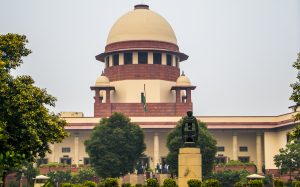
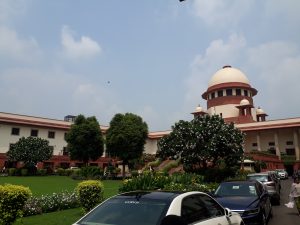
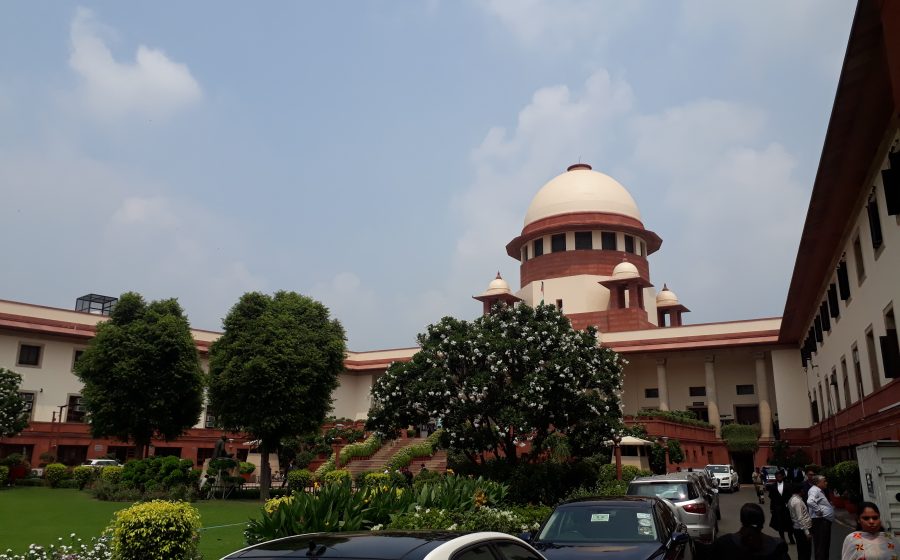
Supreme Court of India (file image), Wikimedia Commons, CC BY-SA 4.0