

US Secretary of State Marco Rubio on October 21 called the protests in India a domestic political matter.
Rubio said Washington would not get involved in India’s politics.
The remarks followed UN human rights officials’ questions about the Delhi Police crackdown on Cockroach Janta Party leaders.
India called the UN remarks misplaced and rejected a Special Rapporteur’s report.
Rubio praised India’s democracy, noting that elections are held there.
US Secretary of State Marco Rubio on Wednesday, October 21, 2026, called the protests in India a domestic political matter, according to India TV, The Statesman, Business Standard and The Wire.
Rubio was asked by a reporter about the Cockroach Janta Party protest during a three-day visit to India, according to India TV.
Rubio said Washington would not get involved in India’s politics, according to India TV.
The Wire quotes Rubio as saying: “We’re not going to comment on internal political matters. That’s for the Indian people to decide and navigate.”
Rubio praised India’s democracy and noted that elections are held there, according to India TV.
Rubio said protests happen daily in the United States and distinguished them from riots, which Rubio said were seen in Europe, according to India TV.
The Wire adds that Rubio described such public expression as a sign of political discourse and differences of opinion, and contrasted it with Cuba. This detail is from a single report.
The remarks came after the United Nations human rights office questioned the Delhi Police crackdown on Cockroach Janta Party leaders and urged India to respect the right to peaceful assembly, according to India TV.
Special Rapporteur Gina Romero’s report said young people in India face retaliation and stigmatisation for discussing issues such as mental health or gender justice, according to the same report.
India called the United Nations remarks misplaced and said reasonable restrictions remain in place even though people can protest freely, according to India TV.
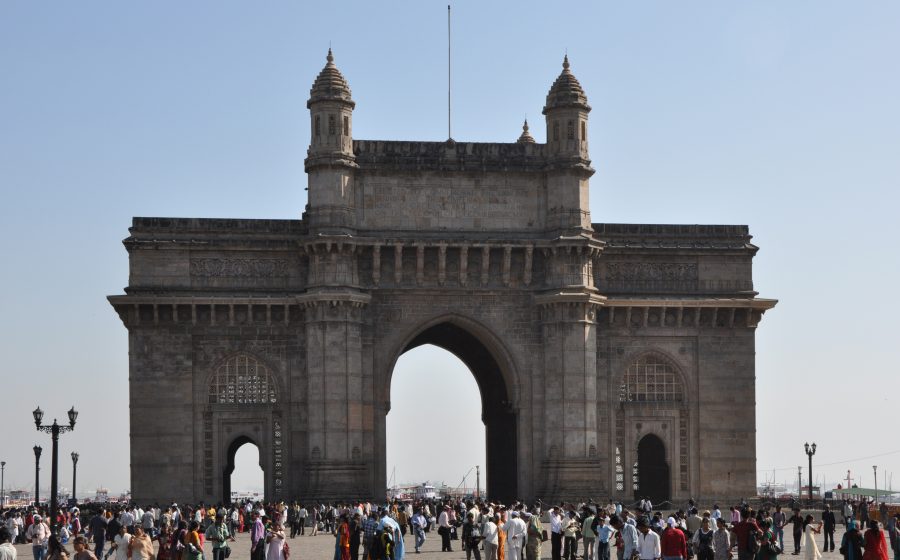
Gateway of India, Mumbai (file image), Wikimedia Commons, CC BY-SA 3.0